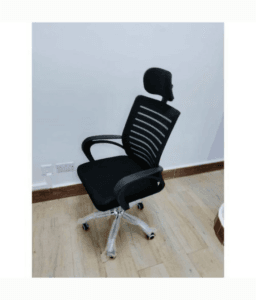
Office Furniture: Taking Good Care of Your Office Furniture
Keeping office furniture in great condition is crucial for any workspace. It contributes to a professional environment and helps you avoid frequent replacement costs, making it a smart investment for any business. Whether it’s a sturdy desk or a sleek conference table, office furniture can endure heavy usage. However, with proper care, you can keep it looking fresh and functioning well for years.
Meanwhile, let’s explore essential tips on how to maintain your office furniture, ensuring it remains comfortable and professional. How can one extend the life of an office setup?
Essential Care Tips for Long-Lasting Office Furniture

Office furniture is a long-term investment in creating a functional and inspiring work environment. With the right care, you can:
- Enhance Longevity: Quality furniture is built to last, but regular maintenance is key to maximizing lifespan.
- Maintain a Professional Appearance: Clean, well-maintained furniture reflects positively on your business and creates a welcoming atmosphere for clients and employees.
- Promote Employee Comfort and Productivity: Comfortable, well-maintained furniture supports better posture and reduces the likelihood of discomfort, which can improve efficiency.
Essential practices to help maintain your office furniture.
1. Regular Cleaning and Dusting
The easiest way to keep your office furniture in great shape is through regular cleaning. Dust and dirt can accumulate quickly, especially in high-traffic areas. Here’s how to keep each type of office furniture clean:
Wooden Furniture
- Dusting: Use a microfiber cloth to remove dust regularly, as dust particles can scratch wooden surfaces over time.
- Polishing: For wooden desks or conference tables, consider using a quality polish every few months to keep the wood looking fresh.
- Avoid Water Damage: When cleaning, avoid using excessive water as it can warp the wood. Instead, use a lightly damp cloth for spot-cleaning.
Upholstered Chairs
- Vacuuming: Vacuum upholstered chairs weekly to remove dust, crumbs, and dirt trapped in the fabric.
- Spot Cleaning: For minor stains, use a mild detergent or upholstery cleaner. It’s always a good idea to test a small, hidden area before cleaning visible spots.
Leather Furniture

- Wipe Down: Use a dry or slightly damp cloth to wipe down leather surfaces regularly.
- Conditioning: Leather can crack over time, so use a leather conditioner every 6-12 months to keep it soft and prevent cracking.
2. Protect Furniture from Sunlight
Sunlight exposure can cause fading and even damage certain materials like wood, leather, and fabric. If your office furniture is near windows, consider these tips:
- Use Blinds or Curtains: Control the amount of sunlight entering the space to protect your furniture from direct exposure.
- Furniture Placement: If possible, position furniture away from windows or in areas with minimal sun exposure.
- Apply UV Protection: For glass windows, you can install UV-blocking film, which reduces harmful UV rays that can fade or damage furniture.
3. Avoid Overloading and Misuse
Office furniture is designed to withstand regular use, but overloading or misusing it can lead to damage. Here are some tips to avoid this:
- Respect Weight Limits: Many office chairs, shelves, and desks have recommended weight limits. Be mindful of these limits to prevent breakage.
- Avoid Sitting on Desks or Armrests: Using desks or chair arms for support or seating can strain joints and cause them to break over time.
- Organize Storage: Instead of overloading a single drawer, distribute weight across multiple drawers to avoid putting strain on any one piece of furniture.
Maintain Office Chairs for Comfort and Longevity
Office chairs often endure the most wear, as they’re used for hours each day. Proper chair maintenance can make a significant difference in employee comfort and reduce the need for replacements. Here are some key tips:
Regular Adjustments
If your office chairs have adjustable settings, ensure each chair is adjusted correctly to the user’s height and posture. This can prevent uneven wear and make the chair more comfortable for daily use.
Check for Loose Screws or Parts
Every few months, check for any loose screws or parts. Tighten them as needed to prevent wobbling and to keep the chair stable.
Clean Wheels and Casters
Dust and dirt can build up in the casters, making it harder for the chair to roll smoothly. Clean the wheels regularly and remove any debris caught in them for a smoother experience.
5. Handle Minor Repairs Promptly
Minor issues with office furniture, like a loose handle or a squeaky drawer, can quickly escalate if left unaddressed. Here’s how to manage small repairs:
- Inspect Regularly: Set a schedule to check for any issues like wobbly desks, loose screws, or squeaky hinges.
- Tighten and Lubricate: Keep a set of basic tools nearby for tightening screws or applying lubrication to moving parts.
- Use Quality Repair Kits: For upholstery repairs, invest in a good-quality repair kit to handle minor rips or tears in fabric or leather.
6. Rotate Furniture to Balance Wear and Tear

Rotating office furniture occasionally can help balance wear and tear, especially in spaces where certain areas get more use than others. By rotating:
- Reduce Uneven Wear: Moving chairs, desks, or other furniture periodically can reduce the impact of wear in high-traffic areas.
- Extend Lifespan: Balanced wear can make furniture look new for longer, reducing the likelihood of needing frequent replacements.
7. Train Employees on Proper Use and Maintenance
Educating employees on how to use and care for office furniture can prevent misuse and help keep items in good condition. A few helpful pointers:
- Avoid Sharp Objects: Remind everyone to avoid using sharp objects on desks to prevent scratches and marks.
- Be Mindful of Drinks and Food: Encourage the use of coasters and proper cleaning after spills to avoid staining.
- Proper Chair Usage: Ensure everyone understands how to adjust their chairs correctly and emphasize the importance of regular cleaning and maintenance.
8. Choose Quality Furniture for Easier Maintenance
Investing in quality office furniture upfront can simplify maintenance and save you money in the long run. High-quality materials are often more durable, easier to clean, and less prone to damage than cheaper alternatives. Look for well-reviewed, reputable brands and materials known for durability.

Keep Your Office Furniture in Top Condition
With regular care and a few simple strategies, you can keep your office furniture looking and performing its best for years. From basic cleaning routines to setting up preventive measures, maintaining office furniture doesn’t have to be a chore. Remember, every piece of furniture in your office is an investment—not just in aesthetics but also in productivity and comfort.
Sikam Furniture understands the value of durable, well-made office furniture, and our range of products is crafted to meet the demands of modern offices. Whether you’re upgrading your space or looking for maintenance tips, we’re here to help you create a workspace that’s stylish, comfortable, and durable.